I once watched a wedding dissolve into a slow-motion disaster because the bride had spent six months picking the perfect shade of sage for the napkins, but zero minutes discussing how catering timings are planned. The ceremony ran twenty minutes late, the kitchen was hit with a sudden surge of hungry guests all at once, and by the time the main course actually hit the tables, the atmosphere had shifted from “celebratory” to “hangry.” People think a successful menu is about the seasoning or the plating, but they’re wrong; it’s about the unseen machinery of the service clock. If you don’t account for the bottleneck at the kitchen door or the exact moment the wine needs to be poured, all that expensive food is just a pile of logistics waiting to fail.
I’m not here to sell you on pretty tablecloths or Pinterest-perfect aesthetics. I’m going to show you the grit and the math behind the curtain. We are going to strip away the fluff and look at the actual mechanics of service, from the critical turnaround windows to the inevitable delays that eat your schedule alive. This is about planning for reality, not the brochure.
Table of Contents
Mastering Event Banquet Timeline Management and Pacing Strategies
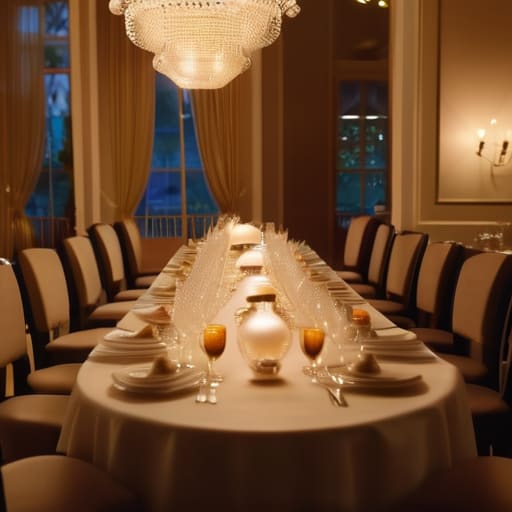
Here is the reality of the dining room: guests don’t experience a meal; they experience a sequence of gaps. If you’re looking at event banquet timeline management, you aren’t just looking at when the food arrives; you’re looking at the tension between the kitchen’s capacity and the guests’ patience. I’ve seen a wedding go from “magical” to “miserable” in the ten minutes between the speeches and the main course when the kitchen hits a bottleneck. You have to account for the human friction—the slow walkers, the uncle who lingers at the bar, and the group that takes twenty minutes just to find their seats.
The real secret lies in your food service pacing strategies. If you opt for a buffet, you aren’t just “serving food”; you are managing a queue that can easily turn into a traffic jam. If you’re doing plated service, you’re playing a high-stakes game of synchronized movement. You need to coordinate the meal service with the event program so tightly that the guests don’t even notice the gears turning. If the speeches run long, the food gets cold; if the food comes too fast, the speeches feel rushed. It’s all about protecting the rhythm of the room.
Managing Guest Hunger Cycles Without Breaking the Program
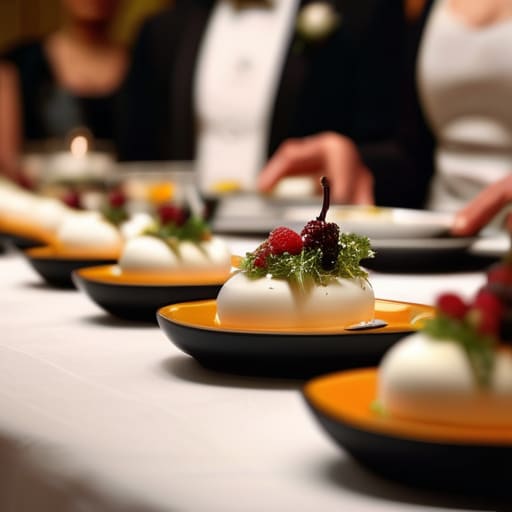
Here is the reality: guests are not polite, patient creatures; they are biological engines driven by blood sugar. If your speeches run ten minutes long, you aren’t just “extending the program,” you are actively managing guest hunger cycles that are trending toward irritability. I’ve seen a perfectly curated wedding descend into a low-simmering mutiny simply because the gap between the canapés and the main course stretched past that critical forty-minute mark. Once the “hangry” phase sets in, no amount of expensive floral arrangements will save your atmosphere.
When you are coordinating meal service with event program, you have to plan for the friction. If you’ve opted for a buffet, you need to account for the physical bottleneck of a hundred people trying to navigate a single line; if it’s plated, you need to ensure your kitchen isn’t trying to serve a three-course meal to two hundred people in a single, frantic burst. You have to build in buffers. I always tell my clients to look at the clock and work backward from the licence end, but more importantly, work forward from the first empty stomach.
The Five Logistics Gaps That Will Break Your Timeline
- The “Empty Glass” Buffer: Never schedule your food service to hit the second the speeches end. You need a fifteen-minute buffer for the inevitable moment a guest realizes they’ve been holding a dry toast for ten minutes without a refill. If the kitchen hits the floor the moment the mic drops, you’re fighting a losing battle against thirsty, restless people.
- The Kitchen-to-Table Reality Check: Stop looking at your menu as a list of delicious items and start looking at it as a series of movements. If you’ve chosen a dish that requires a delicate sear or a specific temperature to not be a disaster, you haven’t planned for the three minutes it takes for a server to walk from the heat lamp to table twelve. I plan my timings based on the slowest walk in the room, not the fastest chef.
- The Buffet Bottleneck Calculation: If you are doing a buffet, do not tell me you have 150 guests and one double-sided station. You are mathematically guaranteeing a twenty-minute wait where people stand around looking annoyed. I calculate buffet timings by dividing the guest list by the number of access points, then adding ten minutes for the inevitable person who spends five minutes deciding between the salmon and the beef.
- The “Service vs. Speech” Collision: The biggest mistake I see is trying to plate a three-course meal while the Best Man is halfway through his set. You cannot have the clatter of cutlery and the scraping of chairs competing with a sentimental anecdote. You time the service to start when the microphones are officially off, or you accept that nobody is listening to a word being said.
- The Hard Stop Countdown: Every catering plan I approve is built backwards from the licence end. If the music has to stop at midnight, the last coffee service shouldn’t be hitting the tables at 11:30. You need to build in the “wind-down” period so the catering doesn’t feel like a frantic race against the clock, leaving guests feeling like they’ve been kicked out of a restaurant mid-dessert.
The Reality of the Final Countdown
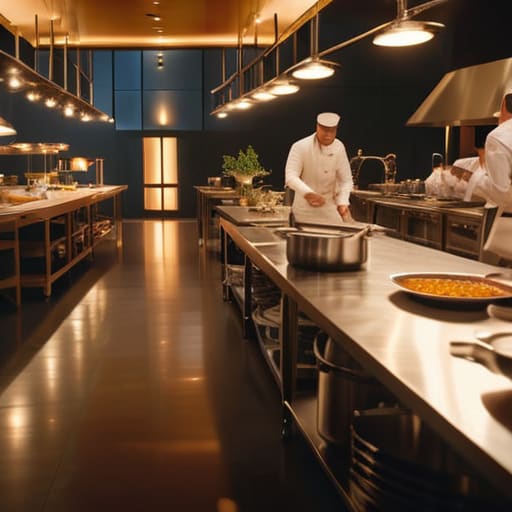
At the end of the day, planning catering timings isn’t about making a pretty spreadsheet; it’s about managing the friction between human appetite and the rigid constraints of a venue. You have to account for the slow-moving guest who lingers by the bar, the caterer who needs an extra five minutes to plate the mains, and that inevitable bottleneck at the service entrance that can derail an entire evening. If you haven’t balanced the hunger cycles against the entertainment and the hard stop of the licence end, you aren’t planning an event—you’re just hoping for the best. And in my experience, hope is not a logistical strategy.
If you get the timings right, your guests won’t notice the frantic dance of the floor staff or the precision of the kitchen hand-offs; they will simply feel like they are having a seamless, effortless evening. That is the ultimate goal. When the food arrives exactly when the energy dips, and the drinks are flowing just as the speeches wrap, the magic happens. It feels spontaneous, but we both know the truth: the most beautiful moments are built on a foundation of iron-clad logistics. Plan for the chaos, respect the clock, and you might just pull off the impossible.
Frequently Asked Questions
What happens to the schedule if the speeches run twenty minutes over and start eating into the actual meal service?
When the speeches run twenty minutes over, you aren’t just losing time; you’re losing the room’s temperature. The guests move from “engaged” to “hangry” in about ten. My kitchen is now staring at a pile of hot food that’s turning into a lukewarm nightmare. You have two choices: you either tell the service team to sprint—which risks a tray of broken glass—or you cut the dessert course short to claw back that time before the licence ends.
How much "buffer time" should I actually build into the transition between the cocktail hour and the seated dinner?
Listen, if you think fifteen minutes is enough to move a hundred people from a terrace to a dining room, you’ve never seen a group of guests with a half-empty gin and tonic in one hand and a heavy coat in the other. You need twenty to thirty minutes of actual buffer. That’s not “wasted” time; that’s the margin for the slow walkers, the bathroom queues, and the inevitable conversation that runs long. Plan for thirty, and you’ll hit your dinner service on time. Plan for fifteen, and you’re chasing the clock until the licence ends.
If I’m working with a strict licence end time, how far back does the catering timeline need to start to ensure we aren't rushing guests through dessert?
You don’t work backward from the licence end; you work backward from the moment the last person has finished their last sip. If your licence ends at midnight, you aren’t aiming to serve dessert at 11:00 PM. You need to be clear of the tables and moving toward the bar by 11:15. I usually start the catering countdown at least four hours before the hard stop. If you haven’t cleared the main course by the three-hour mark, you’re already chasing the clock.